Bat Infestations in Homes: Health Risks and Safe Removal
People searching for bat infestation removal are typically looking to safely eliminate bats from their homes and protect their health, and local contractors can provide effective, professional removal services.
If you’ve recently noticed signs of bats in your home, understanding the health risks associated with bat infestations in homes is essential. Bats can carry diseases that may be transmitted to humans, and their droppings can lead to mold growth and respiratory issues. Property owners in the area often seek information about safe removal methods to protect their families and maintain a healthy living environment. Exploring this topic can help you make informed decisions about addressing potential bat problems effectively and safely.
Fortunately, local service providers specialize in bat infestation removal, offering solutions that prioritize safety and proper exclusion techniques. Connecting with experienced contractors can ensure the problem is handled thoroughly, preventing future invasions and safeguarding your home’s interior. Keep reading to learn more about the health implications of bat infestations and how trusted professionals can assist in resolving these issues safely and efficiently.
- Bat Infestation Removal - Homeowners noticing signs of bats in their attic or walls may need professional removal to address health risks and prevent damage, with local contractors using humane and effective exclusion methods.
- Health Risk Mitigation - When bat droppings or odors are detected, local service providers can safely remove infested materials and implement measures to reduce the risk of disease transmission.
- Safe Bat Exclusion - Property owners seeking to prevent future infestations can work with local pros to install exclusion devices that allow bats to exit but not re-enter, ensuring safe and humane removal.
- Attic Cleanup and Decontamination - After bat removal, local contractors can perform thorough cleanup and disinfection to eliminate pathogens and prevent health issues caused by bat droppings and urine.
- Infestation Prevention Services - Individuals concerned about recurring bat problems can connect with local experts to assess entry points and secure the home, reducing the likelihood of future infestations.
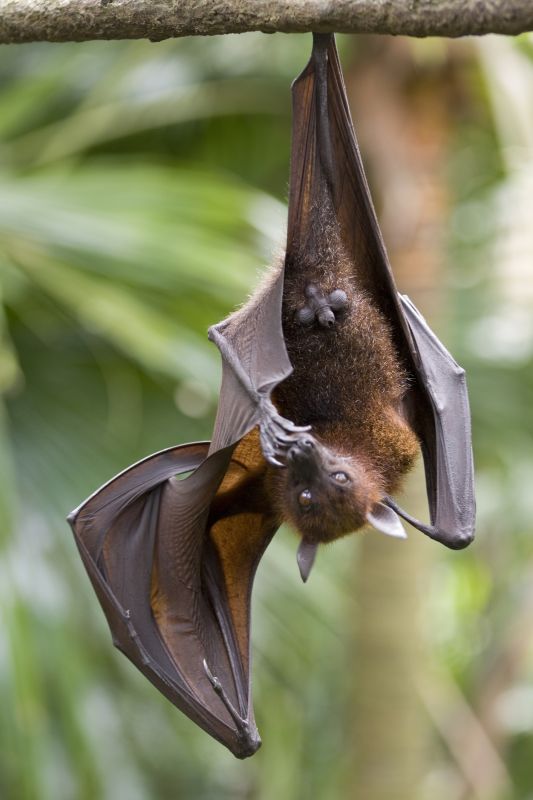
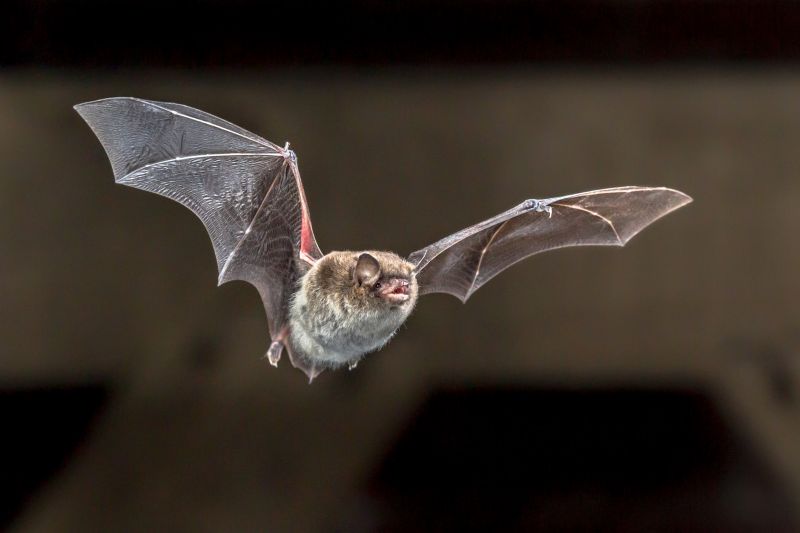

When people search for information about bat infestations in homes: health risks and safe removal, they are typically concerned about the presence of bats roosting in or around their property and the potential dangers involved. This topic often arises when homeowners notice signs like droppings, musty odors, or hearing scratching noises in attics, walls, or ceilings. Many are seeking guidance on how to identify a bat problem, understand the health implications-such as exposure to diseases like histoplasmosis-and find effective, humane methods for removal. The goal is to address the issue promptly to protect family members and prevent further damage to the property.
Bat infestations are commonly linked to homes with accessible attic spaces, eaves, or roof structures that provide ideal roosting spots for bats. These situations are typical in older houses, buildings with poorly sealed openings, or properties located near wooded or water-rich areas where bats are more active. The problems associated with these infestations extend beyond the nuisance of noise or droppings; they include health risks from airborne spores and the potential for bats to carry diseases. Many property owners consider plans that involve professional removal to ensure the bats are safely and humanely excluded, preventing re-entry and minimizing health hazards.
In terms of property types, bat infestations are most often encountered in residential homes, especially those with attic spaces that are difficult to access or maintain. However, commercial buildings, barns, and other outbuildings are also susceptible, particularly if they have gaps or structural vulnerabilities. The presence of bats can be a concern for both single-family residences and larger properties, especially those with older or poorly maintained structures. Recognizing the signs early and understanding the specific risks involved are key steps in planning a safe removal process, which typically involves the assistance of experienced service providers who specialize in humane bat exclusion and removal techniques.
Local contractors who handle bat infestation removal play a crucial role in helping homeowners manage these situations safely and effectively. They bring expertise in identifying entry points, assessing the extent of the problem, and implementing exclusion methods that prevent bats from returning. These professionals focus on safe removal practices that prioritize both the health of residents and the well-being of the bats, where possible. Property owners benefit from connecting with experienced service providers who can tailor solutions to the specific property type and infestation severity, ensuring the problem is addressed comprehensively and responsibly.
Exclusion Services - specialists who seal entry points and prevent bats from returning, which is essential for safe removal and long-term prevention of infestations.
Wildlife Removal - professionals experienced in humane removal of various pests, including bats, ensuring health risks are minimized during the process.
Attic Cleanup and Restoration - experts who clean and restore areas affected by bat droppings and urine, reducing health hazards associated with infestations.
Home Inspection Services - inspectors who identify signs of bat activity and assess property vulnerabilities to guide effective removal strategies.
Pest Control - providers who manage related pest issues that can arise from bat infestations, such as secondary insect problems or other wildlife.
Structural Repair Services - contractors who repair damage caused by bats or their entry points, helping to secure the home against future invasions.

When evaluating service providers for bat infestation removal, experience with similar projects is an important factor to consider. Homeowners should look for local contractors who have a proven track record of handling bat-related issues in residential settings. An experienced professional will be familiar with the unique challenges of safely removing bats and preventing future infestations, ensuring the process is conducted effectively and responsibly. Asking about past projects or seeking references can help gauge a contractor's familiarity with the complexities involved in bat infestations in homes.
Clear written expectations are essential for ensuring that the scope of work, methods used, and post-removal procedures are well understood before any work begins. Reputable service providers typically provide detailed estimates or descriptions of their process, emphasizing humane removal techniques and exclusion strategies that address health risks associated with bat infestations. Homeowners should look for providers who are transparent about what the removal entails, including steps taken to minimize health hazards and prevent re-entry, so there are no surprises once the project starts.
Good communication and reputable references are key indicators of a trustworthy service provider. Local contractors who are responsive to questions, willing to explain their approach, and provide references from previous clients can help build confidence in their professionalism. Gathering feedback from past customers about their experiences can offer insights into the contractor’s reliability, quality of service, and adherence to safety standards. Choosing a provider with a solid reputation and clear, open communication can help ensure that the bat infestation removal process addresses health risks safely and effectively.
Property owners often search for bat infestations in homes: health risks and safe removal when they are planning practical projects around their homes and businesses. Local pros provide Bat Infestation Removal services for everyday jobs and straightforward project options.
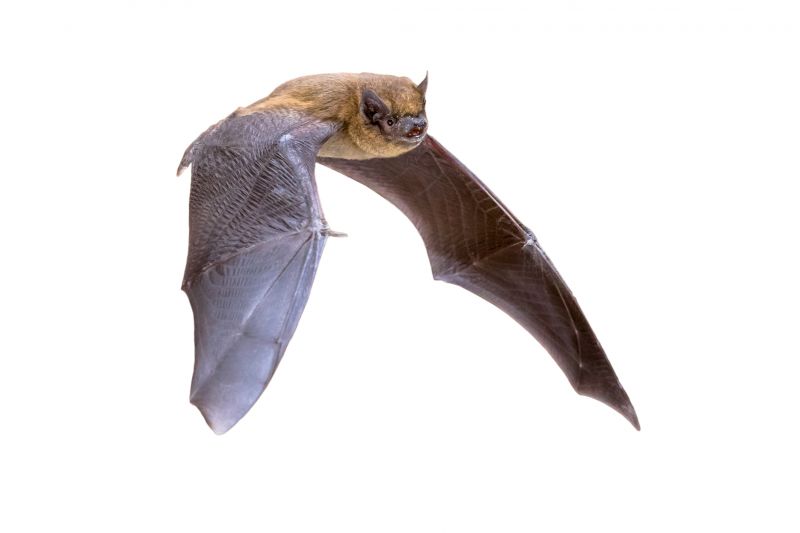
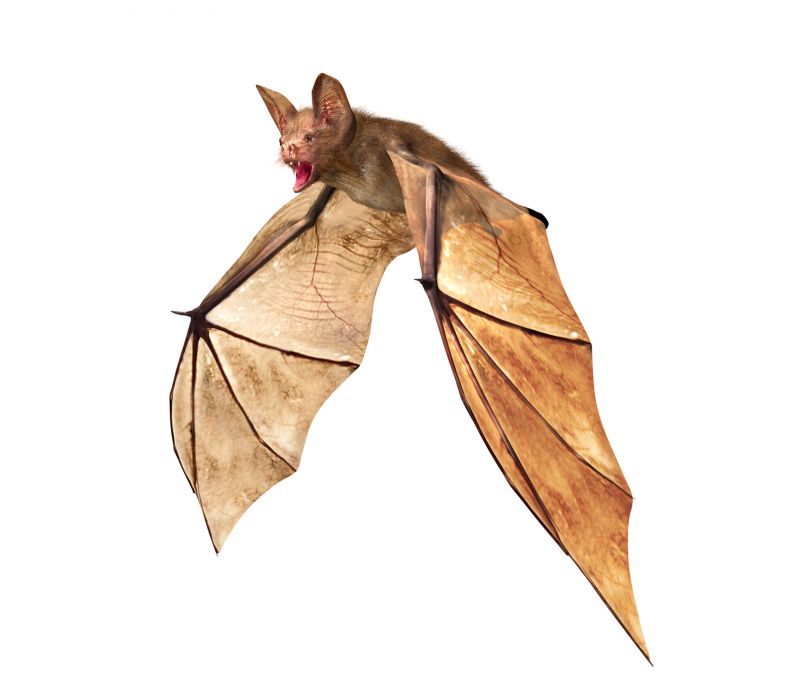
Bat infestations in homes can pose significant health risks, making it important for property owners to address the issue promptly. Bats often roost in attics, walls, or eaves, and their droppings and urine can create unsanitary conditions that may lead to respiratory problems or the spread of diseases. Homeowners who notice signs of bats, such as noise, droppings, or foul odors, might seek out local contractors experienced in bat infestation removal to ensure the problem is handled safely and effectively.
Professional bat removal services offered by local contractors provide a reliable solution for property owners concerned about the health hazards associated with bat infestations. These experts can assess the situation, identify entry points, and implement humane removal methods to eliminate bats without causing harm. Engaging trained service providers helps ensure that the removal process is thorough and that any necessary repairs or sealing are completed to prevent future issues.
What are the health risks associated with bat infestations in homes? Bat infestations can pose health risks such as exposure to rabies, histoplasmosis from droppings, and allergic reactions. Local contractors experienced in bat removal can help mitigate these risks safely.
How do professionals typically remove bats from a home? Professionals use humane exclusion methods, sealing entry points and safely guiding bats out without harming them. They ensure the infestation is fully addressed to prevent future entry.
Why is safe removal important for health and property? Safe removal prevents health hazards like disease transmission and reduces damage caused by bat droppings and nesting materials. Skilled service providers focus on effective and safe removal techniques.
Can I remove bats myself to avoid health risks? DIY removal is not recommended due to health and safety concerns. Local service providers have the expertise and equipment to handle bat infestations safely and effectively.
What steps do service providers take to ensure the removal is safe? They assess the property, seal entry points, use humane exclusion methods, and clean affected areas to minimize health risks associated with bat infestations in homes.
Identify bat entry points - property owners can inspect their homes for small openings and work with local contractors to seal gaps that allow bats to enter.
Assess health risks - understanding the potential dangers of bat droppings and urine can help homeowners decide when to seek professional removal services.
Plan safe removal strategies - property owners can collaborate with local pros to develop a plan that ensures bats are removed humanely and safely.
Implement exclusion methods - after removal, homeowners can work with service providers to install barriers that prevent future bat infestations.
If you are thinking about bat infestations in homes: health risks and safe removal for a property, this guide is meant to help you understand this topic, the typical project types, and how different options might fit your plans.
When you are ready, you can use the quote form on this page to share a few details about your project. From there, local pros can review the basics and follow up with options that match what you have in mind.