Why Humane Wildlife Removal Is Important for Property and Animal Safety
Finding local service providers who specialize in humane wildlife removal ensures safe, effective solutions to protect your property and prevent harm to animals.
Understanding why humane wildlife removal is important for property and animal safety is essential for property owners facing unwanted animal visitors. When animals such as raccoons, squirrels, or bats find their way into buildings or attics, they can cause damage to the structure, create noise disturbances, and potentially spread diseases. Addressing these issues promptly and humanely not only protects the integrity of the property but also ensures that animals are relocated safely and ethically. Local service providers specializing in humane wildlife removal are equipped to handle these situations responsibly, helping property owners resolve conflicts without harm to the animals involved.
For property owners in the area considering wildlife removal options, exploring humane solutions is a practical step toward maintaining a safe and secure environment. These professionals focus on effective exclusion techniques that prevent future intrusions while prioritizing animal welfare. Whether dealing with a current infestation or seeking preventative measures, connecting with local contractors experienced in humane wildlife removal can make a significant difference. Keep reading to learn more about how these services support property safety and animal well-being, and why choosing humane methods is an important part of managing wildlife conflicts responsibly.
- Bird control - when birds nest in attics or on rooftops, local contractors can humanely remove them to prevent property damage and health risks.
- Bat exclusion - if bats roost in walls or ceilings, service providers use humane methods to safely remove and exclude them from the property.
- Squirrel removal - when squirrels invade attics or crawl spaces, local pros can humanely trap and relocate them to protect both animals and property.
- Raccoon removal - raccoons nesting in chimneys or sheds require humane removal to prevent structural damage and animal safety concerns.
- Skunk control - when skunks dig under porches or decks, service providers can handle the removal humanely to avoid property damage and ensure safety.
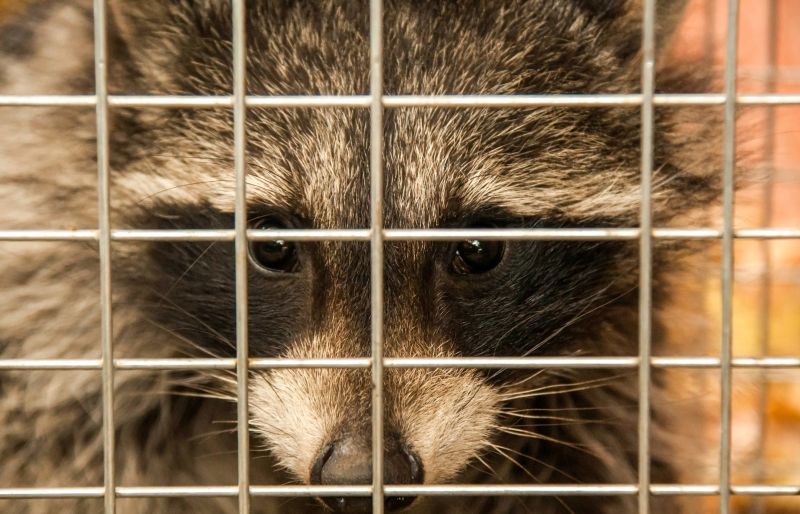
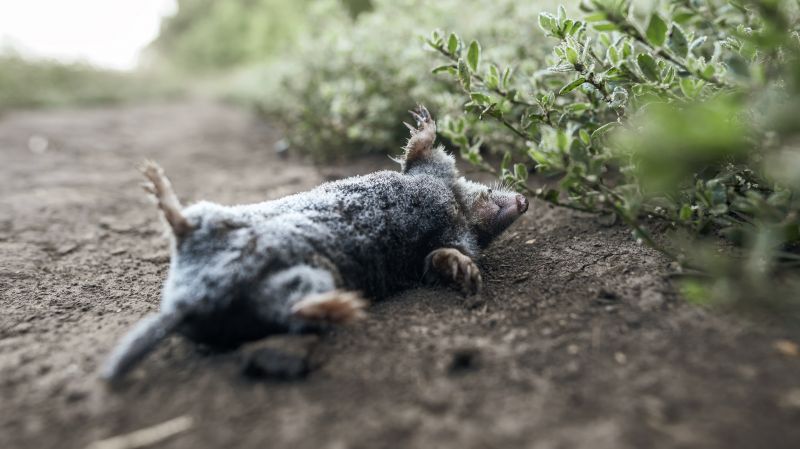
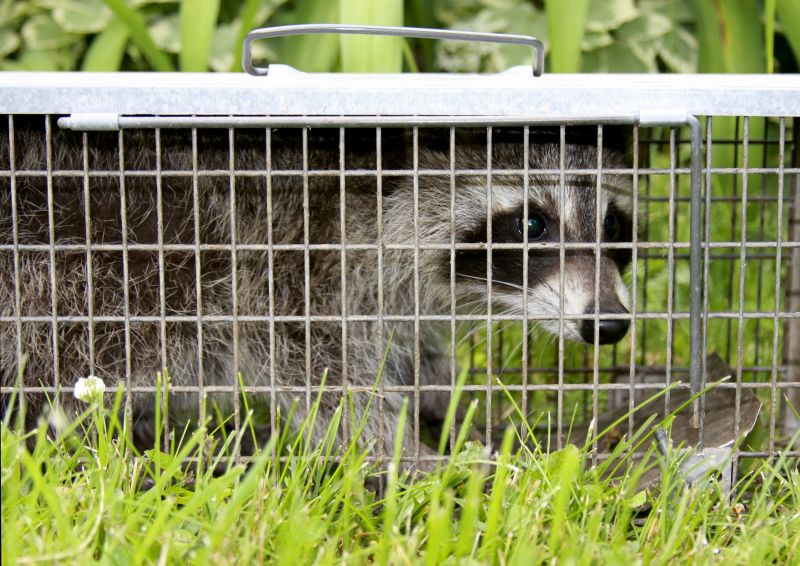
When people search for why humane wildlife removal is important for property and animal safety, they are often concerned about the impact of wild animals on their homes and surroundings. Many are experiencing issues with animals such as raccoons, squirrels, bats, or birds nesting in or around their property. These situations can lead to property damage, such as chewed wiring, damaged roof vents, or compromised insulation. Additionally, there is often a worry about the health risks associated with animal droppings, urine, or nesting materials that can carry diseases. Understanding the importance of humane removal helps homeowners address these problems responsibly, ensuring animals are relocated safely without harm, while also protecting their property from further damage.
The concerns linked to this topic typically relate to ongoing or potential problems that can arise if animals are not handled properly. For example, animals seeking shelter in attics or crawl spaces can cause structural damage or create entry points for other pests. In some cases, animals may become aggressive or territorial, posing safety risks to residents or pets. Plans for humane wildlife removal often involve identifying the entry points, safely removing the animals, and implementing measures to prevent future invasions. Homeowners may also be considering long-term solutions, such as sealing entry points or installing deterrents, to keep their property secure. Local service providers who specialize in humane wildlife removal are equipped to assess these issues and develop effective strategies tailored to each property’s needs.
Properties that frequently encounter wildlife intrusion include residential homes, especially those with older or poorly maintained structures, as well as outbuildings like sheds or garages. Attics, chimneys, and roof vents are common entry points for animals seeking shelter. Commercial properties, such as warehouses or farms, can also become targets for wildlife, especially if they have accessible openings or storage areas that provide cover. Rural properties with large trees or open fields may experience different types of animal activity, such as bird roosting or ground-dwelling pests. Regardless of property type, addressing wildlife issues promptly with humane removal services helps protect both the structural integrity of the property and the safety of its occupants, by preventing animal-related damage and reducing health hazards.
In many cases, property owners turn to local pros for humane wildlife removal because they understand the importance of handling animals ethically and effectively. These service providers are experienced in safely capturing and relocating animals, minimizing stress and injury for the wildlife involved. They also offer guidance on how to make properties less attractive to animals in the future, such as sealing entry points and removing attractants. For homeowners facing wildlife challenges, working with local pros ensures that the problem is addressed in a way that prioritizes animal welfare while safeguarding property and personal safety. This balanced approach helps maintain harmony between residents and local wildlife, making humane removal an essential part of responsible property management.
Attic insulation installation - professionals in attic work often handle wildlife exclusion to prevent animals from nesting in insulation and causing damage or health issues.
Gutter cleaning and maintenance - service providers clear debris and inspect for entry points that wildlife may use to access roofs and attics, supporting property safety.
Bird control and deterrent projects - local contractors install humane deterrents and exclusion devices to prevent birds from roosting on structures, reducing property damage.
Roof repair and sealing services - experts repair and seal roof vulnerabilities that wildlife may exploit, helping maintain property integrity and safety.
Pest exclusion and prevention - specialists set up barriers and entry point closures to keep unwanted animals out of buildings, supporting humane wildlife removal efforts.
Wildlife habitat modification - professionals modify surrounding landscapes to reduce attractants, assisting in humane removal and preventing future animal intrusion.
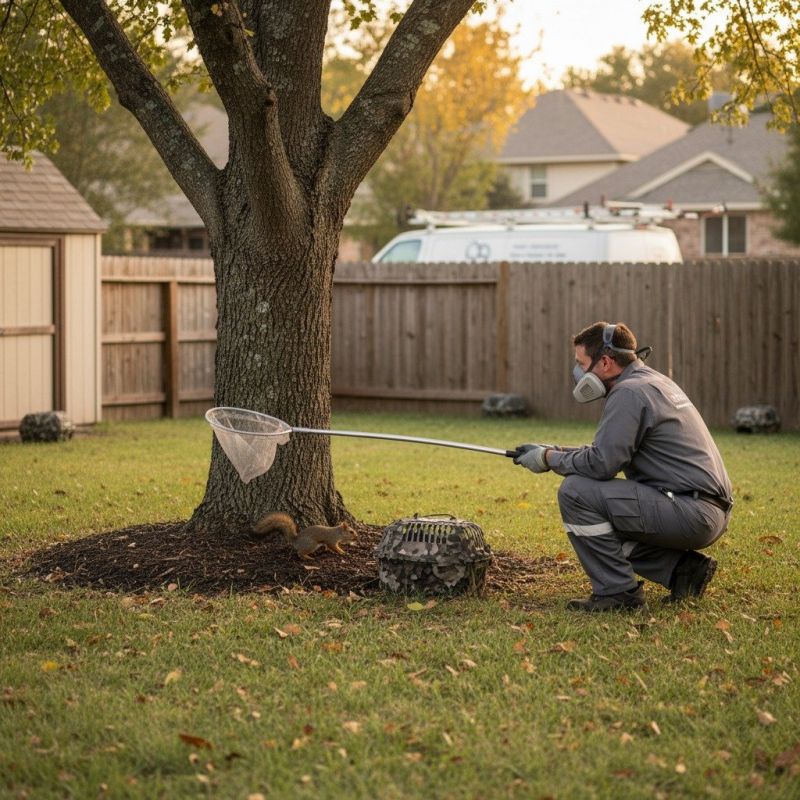
When evaluating potential service providers for humane wildlife removal, experience with similar projects is a key factor to consider. Homeowners should inquire about how long a local contractor has been handling wildlife removal and whether they have a track record of successfully addressing issues similar to their own. An experienced provider is more likely to understand the nuances of humane removal techniques and be familiar with local wildlife behaviors, which can contribute to a smoother and more effective process. This background helps ensure that the wildlife is managed in a way that prioritizes animal safety while protecting property, reducing the risk of repeat issues down the line.
Clear written expectations are essential when selecting a wildlife removal service. Homeowners should seek out providers who can offer detailed explanations of their approach, including the methods used to humane trap and relocate animals, as well as any cleanup or property repair services. Having this information in writing helps establish a mutual understanding of what the project entails and sets a standard for quality and professionalism. Transparent communication about the scope of work also helps prevent misunderstandings and ensures that the homeowner’s concerns about humane treatment and property safety are addressed from the outset.
Reputable references and strong communication practices are critical indicators of a reliable wildlife removal contractor. Homeowners should ask for references or reviews from previous clients to gain insights into the provider’s reliability and the quality of their work. Good communication means that the service provider listens carefully to the homeowner’s concerns, provides timely updates, and is responsive to questions throughout the process. These qualities help build confidence that the local contractor will handle the wildlife removal in a humane manner, prioritize safety, and keep the homeowner informed every step of the way.
Property owners often search for why humane wildlife removal is important for property and animal safety when they are planning practical projects around their homes and businesses. Local pros provide Humane Wildlife Removal services for everyday jobs and straightforward project options.
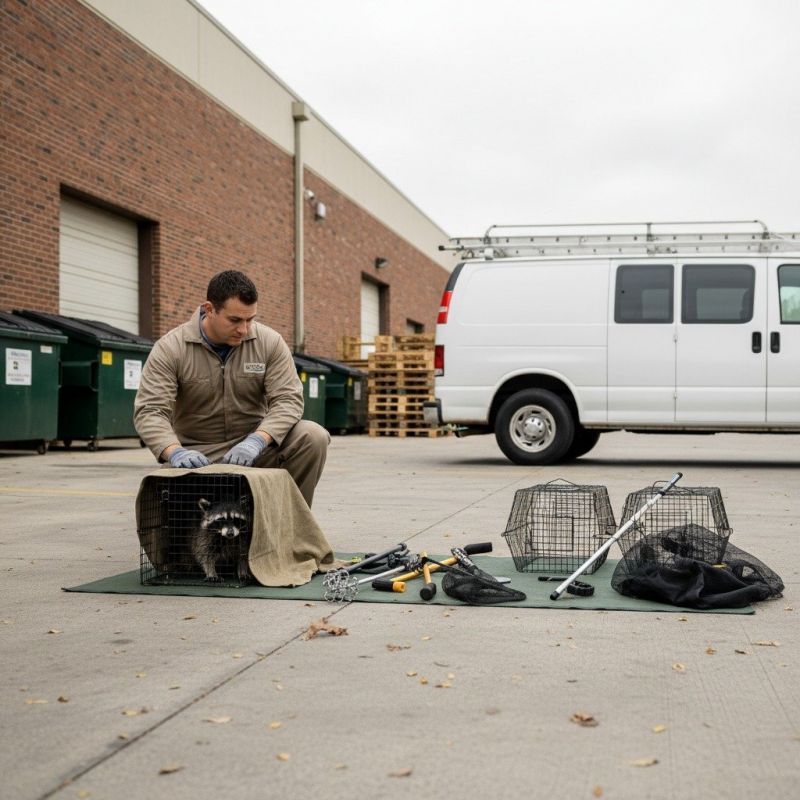
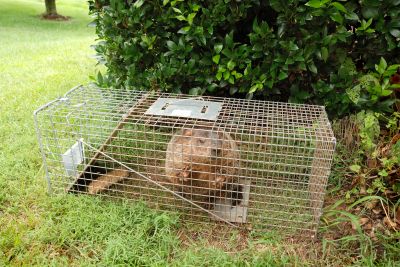
Humane wildlife removal plays a crucial role in maintaining property safety by addressing common issues such as animal infestations that can cause damage to structures or create unsanitary conditions. Property owners often seek out local contractors to handle situations involving raccoons, squirrels, bats, or birds that have taken up residence in attics, walls, or chimneys. Proper removal ensures that animals are relocated safely and humanely, preventing potential property damage and reducing the risk of disease transmission that can arise from unaddressed wildlife conflicts.
Additionally, humane wildlife removal helps protect animal populations by preventing unnecessary harm or stress to local wildlife. When animals are removed without causing injury, it supports ethical treatment and reduces the likelihood of animals returning or becoming aggressive. Local service providers are equipped to handle these situations responsibly, offering humane solutions that prioritize both property safety and animal well-being. This approach encourages coexistence and minimizes future conflicts, making it a practical choice for property owners facing wildlife-related concerns.
Why is humane wildlife removal important for property safety? Humane wildlife removal helps prevent property damage caused by animals, such as chewed wires, insulation destruction, and structural harm, by safely removing wildlife from the premises.
How does humane wildlife removal contribute to animal safety? Humane wildlife removal ensures animals are handled ethically and safely, reducing the risk of injury to both animals and people during removal processes.
What are the risks of ignoring wildlife presence on property? Ignoring wildlife can lead to increased property damage, health hazards from animal droppings or parasites, and potential disease transmission to humans and pets.
Why should wildlife be removed humanely instead of using lethal methods? Humane removal avoids unnecessary suffering for animals and complies with best practices for ethical treatment, while effectively resolving wildlife conflicts.
How can local service providers ensure property and animal safety during removal? Local contractors use safe, humane techniques to remove wildlife, reducing risks of damage and injury while ensuring animals are relocated properly.
Prevent property damage - Humane wildlife removal services can help identify and seal entry points to prevent animals from causing structural harm.
Reduce health risks - Removing wildlife humanely reduces the risk of disease transmission and contamination in living or working spaces.
Protect animal populations - Local contractors ensure animals are relocated safely, supporting local wildlife health and preventing overpopulation issues.
Maintain aesthetic appeal - Humane removal helps keep properties clean and free of animal droppings or nesting materials that can detract from appearance.
If you are thinking about why humane wildlife removal is important for property and animal safety for a property, this guide is meant to help you understand this topic, the typical project types, and how different options might fit your plans.
When you are ready, you can use the quote form on this page to share a few details about your project. From there, local pros can review the basics and follow up with options that match what you have in mind.