Common Wildlife Problems Homeowners Face
Wildlife removal helps homeowners address common wildlife problems by connecting them with local contractors who can safely and effectively handle pest intrusions.
Homeowners in the area often encounter common wildlife problems that can impact the safety and comfort of their properties. Whether it’s animals seeking shelter in attics, rodents nesting in walls, or birds roosting on rooftops, these issues are more than just nuisances-they can lead to property damage and health concerns if left unaddressed. Recognizing the signs early and understanding how to handle these situations is essential for maintaining a safe, secure home environment. Exploring solutions with experienced local contractors can provide practical ways to manage and resolve these wildlife challenges effectively.
Many property owners find that working with local wildlife removal service providers offers the expertise needed to handle these common problems properly. These professionals understand the behaviors of local wildlife and can implement humane, effective methods to remove animals and prevent future intrusions. By connecting with trusted service providers in the community, homeowners can find tailored solutions that keep their properties protected and free from unwanted animal visitors. Keep reading to learn more about the types of wildlife issues that may affect homes in the area and how local experts can help address them.
- Bat Removal - homeowners noticing bats roosting in attics or walls can rely on local contractors to safely remove and exclude these animals from the property.
- Squirrel Control - when squirrels are found nesting in chimneys or roof eaves, local service providers can implement humane exclusion methods to prevent re-entry.
- Raccoon Removal - signs of raccoons in crawl spaces or near trash areas prompt homeowners to seek local experts for humane removal and property protection.
- Bird Control - persistent bird droppings or nesting in vents and soffits lead homeowners to contact local pros for safe bird exclusion and deterrent solutions.
- Skunk Removal - foul odors or sightings near foundations indicate the presence of skunks, and local contractors can handle their humane removal and habitat sealing.
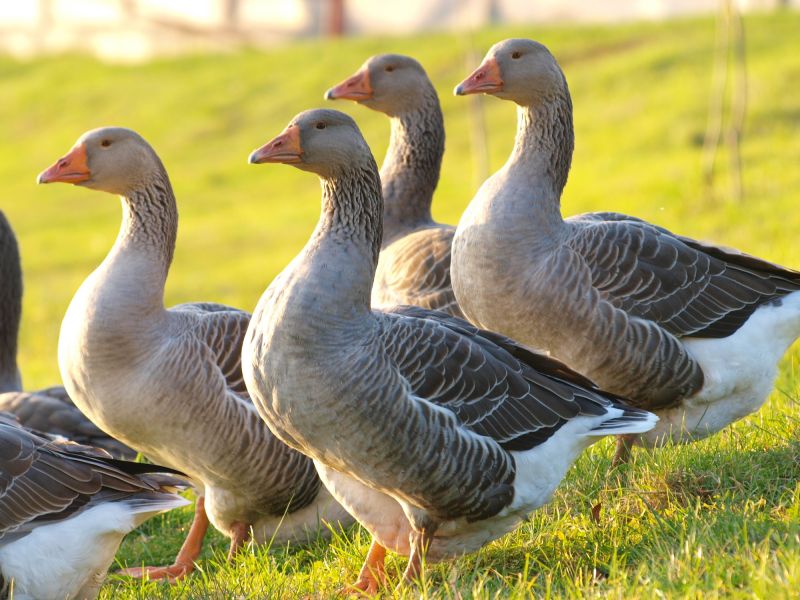
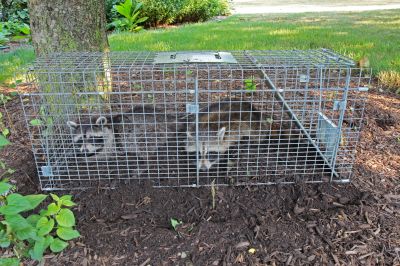
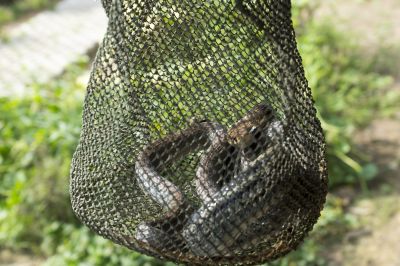
Understanding common wildlife problems homeowners face involves recognizing the types of animals that often invade residential properties and the issues they can cause. Many searches focus on how nuisance wildlife like raccoons, squirrels, bats, or birds find their way into homes or yards, leading to concerns about property damage, health risks, and noise disturbances. These problems are typically linked to animals seeking shelter, food, or nesting sites, especially during certain times of the year. Homeowners often look for guidance on how to identify signs of wildlife intrusion and what steps are necessary to resolve these issues effectively, which is where local wildlife removal service providers come into play.
The problems associated with wildlife invasions can vary widely, but common concerns include animals nesting in attics, chewing through wires or insulation, and creating entry points that allow more creatures to enter. Many homeowners also worry about the potential for diseases transmitted by wildlife, or the damage caused by animals tearing apart landscaping or structural elements. Planning to address these issues usually involves a combination of wildlife exclusion, removal, and habitat modification strategies. Local contractors who specialize in wildlife removal are equipped to handle these situations, offering solutions that not only remove the animals but also help prevent future invasions.
The types of properties affected by wildlife problems span a broad range, from single-family homes and duplexes to larger residential complexes. Homes with accessible attics, soffits, or crawl spaces are particularly vulnerable, especially if they are located near wooded areas, water sources, or food sources like garbage or fruit trees. Rural properties and farms may also experience wildlife issues, but urban and suburban homes are equally at risk due to the abundance of hiding spots and food sources. Recognizing these property types helps homeowners understand where wildlife problems are most likely to occur and how local service providers can tailor their approaches to fit specific property needs.
Addressing common wildlife problems requires practical solutions that are tailored to each property’s unique situation. Local wildlife removal professionals can assess the extent of the intrusion, identify entry points, and develop a plan to safely remove animals and secure the property against future invasions. Their expertise ensures that wildlife issues are handled humanely and efficiently, minimizing damage and reducing health risks. For homeowners facing these problems, understanding how wildlife interacts with residential properties helps clarify the importance of professional services in managing and resolving wildlife-related concerns effectively.
Gutter Cleaning and Maintenance - Professionals who handle gutter cleaning often address issues related to wildlife nesting in roof eaves and downspouts, helping prevent infestations and damage.
Attic Insulation and Ventilation - Ensuring proper attic ventilation can reduce the likelihood of wildlife taking shelter inside the home, similar to wildlife exclusion efforts.
Roof Repair and Inspection - Local contractors who inspect and repair roofs are skilled at identifying entry points and damage caused by wildlife activity.
Exclusion and Barrier Installation - Experts specializing in exclusion work can help prevent wildlife from re-entering homes by sealing off common access points.
Tree Trimming and Landscape Management - Trimming trees and managing shrubbery reduces wildlife access to roofs and attics, complementing wildlife removal strategies.
Pest Control and Prevention - Many pest control providers also handle wildlife-related problems, offering integrated services to manage various home intrusion issues.
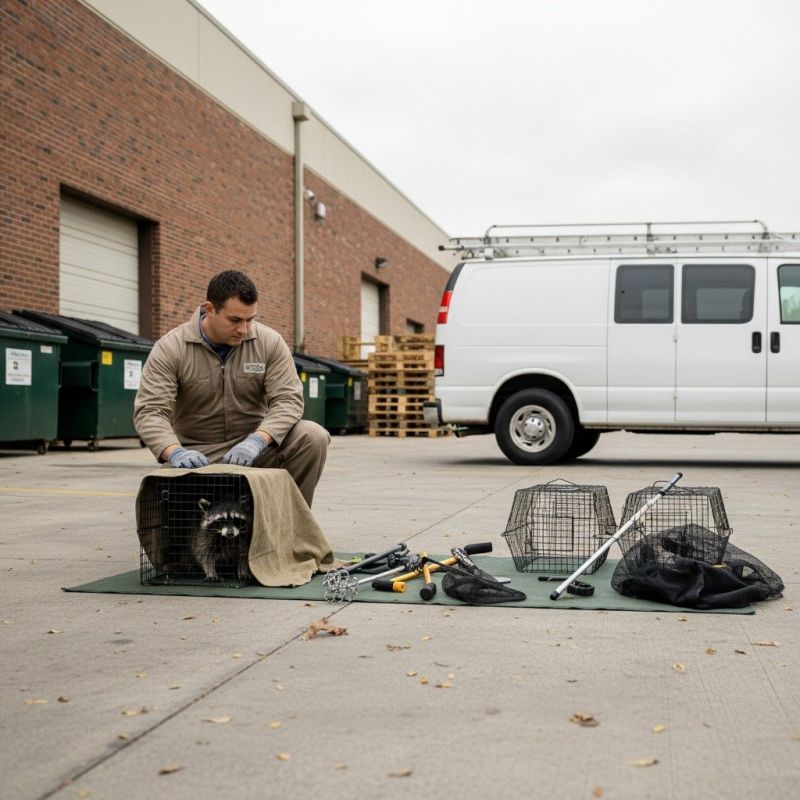
When evaluating wildlife removal service providers for common wildlife problems homeowners face, it is important to consider their experience with similar projects. Service providers who have handled wildlife issues comparable to your situation are more likely to understand the nuances involved and recommend effective solutions. Asking about their past work can help gauge their familiarity with the specific types of wildlife encountered in your area, ensuring they have the practical knowledge needed to address your concerns efficiently.
Clear written expectations are essential when comparing local contractors. A reputable wildlife removal professional should be able to outline the scope of work, methods used, and what the homeowner can expect throughout the process. This transparency helps prevent misunderstandings and ensures everyone is aligned on the services being provided. Having these details in writing also serves as a reference point if questions or issues arise later, making it easier to evaluate the professionalism and clarity of each service provider.
Reputable references and good communication are key indicators of a reliable wildlife removal company. Service providers who can offer references from previous clients demonstrate a history of successful projects and satisfied homeowners. Additionally, effective communication-such as prompt responses to inquiries and clear explanations of procedures-can significantly improve the overall experience. Homeowners should seek out local pros who are approachable and transparent, as these qualities often reflect their dedication to delivering quality service and building trust throughout the process.
Property owners often search for common wildlife problems homeowners face when they are planning practical projects around their homes and businesses. Local pros provide Wildlife Removal services for everyday jobs and straightforward project options.
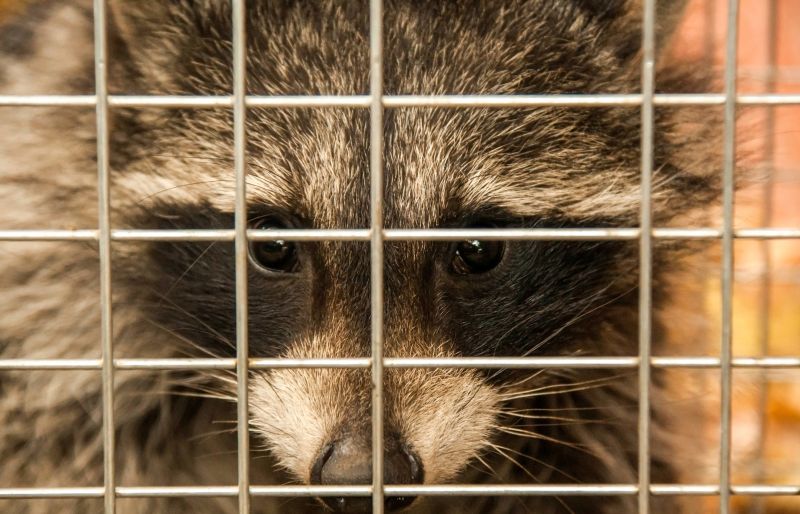
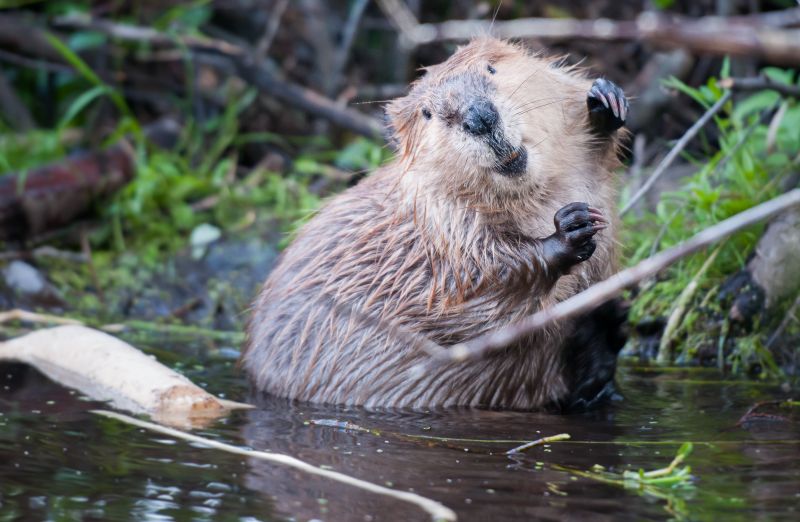
Homeowners often encounter common wildlife problems that can disrupt daily life and pose risks to property. Issues such as raccoons rummaging through trash, squirrels nesting in attics, or bats roosting in eaves are frequent concerns in many neighborhoods. These situations typically arise from easy access points or nearby natural habitats, prompting property owners to seek solutions that can effectively address the presence of wildlife and prevent future intrusions.
When wildlife problems become more than just minor nuisances, many property owners look for professional wildlife removal services. Local contractors specializing in wildlife control can assess the situation, safely remove animals, and implement measures to prevent re-entry. Connecting with experienced service providers ensures that wildlife issues are handled efficiently and humanely, helping homeowners protect their properties and restore peace of mind.
What are common signs of wildlife intrusion in homes? Signs include droppings, chewed wires or furniture, unusual noises, and damage to vents or soffits. Local contractors can assess the situation and recommend effective removal and exclusion methods.
How can wildlife problems affect home safety? Wildlife infestations can lead to structural damage, fire hazards from chewed wiring, and health risks from droppings or parasites. Experienced service providers can address these hazards and help prevent future issues.
What types of wildlife are homeowners most likely to encounter? Common wildlife problems homeowners face often involve raccoons, squirrels, bats, birds, and rodents. Local wildlife removal experts can identify the specific animals and provide targeted solutions.
Are wildlife problems likely to recur after removal? Without proper exclusion measures, animals may return or other wildlife may move in. Local contractors can install barriers and repairs to help prevent future wildlife problems.
What steps do wildlife removal services typically take? They assess the property, safely remove the animals, seal entry points, and provide recommendations to prevent re-entry. Contacting experienced service providers can ensure a comprehensive solution to wildlife problems.
Identifying entry points - property owners can inspect their homes for small openings and have local contractors seal them to prevent wildlife from gaining access.
Installing deterrents - using humane devices or barriers suggested by local wildlife removal experts can discourage animals from settling on the property.
Managing attractants - removing food sources like trash or bird feeders can reduce wildlife presence, with guidance from local service providers.
Implementing exclusion techniques - professionals can help set up effective exclusion methods around attics, chimneys, and vents to block wildlife entry.
If you are thinking about common wildlife problems homeowners face for a property, this guide is meant to help you understand this topic, the typical project types, and how different options might fit your plans.
When you are ready, you can use the quote form on this page to share a few details about your project. From there, local pros can review the basics and follow up with options that match what you have in mind.